How Fitness Is Communicated and Practiced Around the World
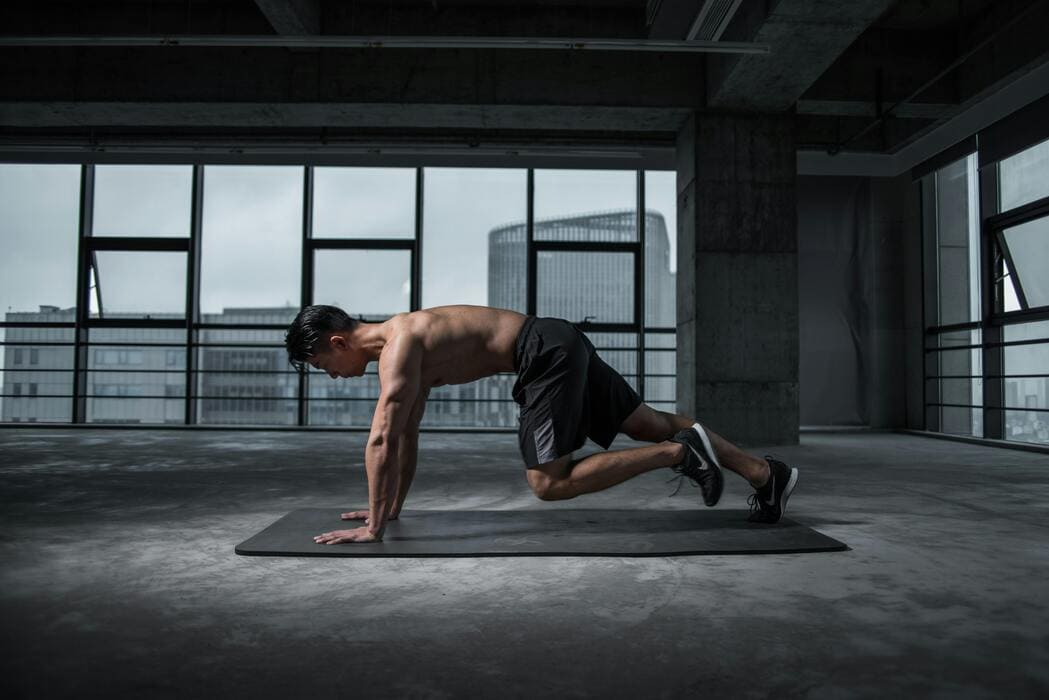
Around the globe, people move, train, and care for their bodies in strikingly different ways. Culture, climate, tradition, and technology all shape how communities understand “being in shape,” how they talk about it, and which activities they prioritize. Exploring these differences offers more than fun trivia—it reveals fresh ideas you can use to make your own routine more effective, sustainable, and enjoyable.
1. Language Shapes How We Understand Movement
In some regions, there’s no direct word for “workout” as a separate activity—it’s simply part of daily life. In rural areas of many countries, walking long distances, carrying heavy loads, and working in fields are seen as normal routines rather than “fitness.” In contrast, urban centers often separate “exercise” from everyday life, scheduling it in gyms, classes, and studios. This difference in language reveals a deeper mindset: in some cultures, movement is integrated; in others, it’s compartmentalized and timed.
Modern fitness businesses, coaches, and content creators worldwide are now bridging this gap. They’re translating culturally embedded activities—like walking to the market, tending gardens, or dancing at social events—into measurable, trackable forms of exercise. With online coaching, digital products, and remote programs, fitness professionals also need efficient systems for handling sign-ups, memberships, and client payments. Many streamline the administrative side of their work by using tools such as a pdf invoice generator to send clear, professional billing documents that match the quality of their training services.
These shifts in language and tools make it easier for people, regardless of location, to see how their everyday routines contribute to overall well-being, while also helping professionals grow sustainable businesses in the global fitness space.
2. Community and Group Fitness Traditions
In many cultures, fitness is inherently social. Group movement is often tied to festivals, ceremonies, or religious gatherings. Traditional dances, martial arts, and rituals frequently double as high-intensity workouts. Rather than counting sets and reps, participants focus on rhythm, storytelling, and shared experience, while still building strength, balance, and endurance.
Urban environments, especially in large cities, also reflect this community-driven spirit—but with a modern twist. Group classes such as boot camps in parks, running clubs, cycling groups, and outdoor yoga sessions gather people who may not share a language or background, yet bond over the shared goal of feeling healthier. This communal dimension provides accountability and motivation while reinforcing a sense of identity and belonging.
3. Climate and Geography Influence Training Styles
Geography dramatically shapes how fitness is practiced. In coastal regions, activities like swimming, surfing, stand-up paddleboarding, and beach running are common. Mountainous areas lean toward hiking, trail running, climbing, and skiing, which build strong legs, lungs, and resilience. In colder climates, people often prioritize indoor sports such as ice hockey, curling, and winter gym routines, whereas warmer regions may favor outdoor courts, fields, and open-air gyms.
Even within the same country, urban vs. rural environments can make a difference. Cities might prioritize compact workouts—bodyweight training, cycling, or short high-intensity intervals—fit into busy schedules, while rural settings allow for longer, lower-intensity sessions like walking, farming work, or extended bike rides through open landscapes. Understanding how climate and geography shape common activities can help you design workouts that align with your own surroundings, instead of copying routines that aren’t realistic for your environment.
4. Traditional Practices Blending Mind and Body
Many societies have long-standing movement practices that were never labeled “fitness” but clearly support physical and mental health. Disciplines that blend balance, breathing, focus, and strength are deeply integrated into everyday life in some cultures. These practices often prioritize posture, controlled movement, and mindfulness rather than quick visual results.
Around the world, people are now rediscovering and modernizing such traditions, incorporating them into gym programs, wellness retreats, and online classes. This fusion of ancient wisdom and modern sports science offers more holistic pathways to health, helping participants manage stress, build mobility, and maintain long-term joint health. The message is simple: being fit isn’t only about speed or power; it’s also about how you move, breathe, and recover.
5. Technology and the Rise of Global Fitness Culture
Technology has become a universal language of fitness. Fitness apps, smartwatches, streaming platforms, and social media challenges connect people from completely different cultures around shared goals: tracking steps, logging workouts, improving sleep, and preparing for events. With a few taps, someone in one time zone can follow a workout designed on the other side of the world, blurring regional differences and creating a global training culture.
At the same time, local influences remain strong. Creators adapt global trends—like high-intensity interval training, strength programs, or mobility routines—to fit their communities’ schedules, beliefs, and living conditions. In areas with limited equipment, bodyweight routines, resistance bands, or improvised weights are popular. In tech‑savvy metropolitan regions, specialized training apps and wearables drive detailed performance insights. The result is a layered landscape where high-tech and low-tech, traditional and modern, coexist.
6. Everyday Movement vs. Structured Workouts
A central difference in how fitness is practiced worldwide lies in the balance between everyday movement and structured exercise. In highly walkable cities or communities that rely less on cars, people may naturally log far more daily steps and incidental movement than those who must sit or drive most of the day. In such places, gym sessions complement an already active lifestyle rather than replace it.
In contrast, highly sedentary environments often demand intentional, scheduled workouts just to counteract long hours of sitting. This can push people toward short, intense sessions before or after work. Observing how different cultures navigate this balance is useful: you can aim to increase incidental movement (walking, taking stairs, stretching breaks) as a base, then layer structured training on top for strength, mobility, and endurance.
7. Food Culture and Its Link to Movement
Nutrition is inseparable from how fitness is discussed and practiced. In some regions, traditional diets already align closely with modern health guidelines: plenty of vegetables, whole grains, legumes, and moderate portions of animal products. In others, processed and convenience foods have become more dominant, often outpacing movement levels and contributing to rising lifestyle-related conditions.
Around the world, fitness communities are increasingly integrating food education with training plans, focusing on balance rather than extremes. Some cultures emphasize shared meals that slow down eating and encourage social interaction, indirectly supporting better digestion and more mindful choices. Others highlight fueling correctly for performance, especially in competitive sports. Understanding these cultural food patterns can inspire practical changes in your own eating habits—prioritizing whole foods, balanced plates, and sustainable routines over short-lived fads.
Conclusion: Learning From Global Approaches to Movement
The way people talk about and practice fitness varies widely, but certain themes are universal: a desire to feel capable, energized, and connected. Some communities express this through group rituals and shared traditions; others through data-driven training plans, outdoor adventures, or mindful practices. By studying these global approaches, you can experiment with new formats—integrating more daily movement, joining group activities, or exploring disciplines that develop both mind and body.
Ultimately, the most effective routine is the one that fits your culture, environment, and personal values. Blending inspiration from around the world with the realities of your own life can help you build a fitness practice that’s not only efficient and results‑driven, but also meaningful and sustainable for years to come.